AHS, Housing, PRA

Council Committee Work Session #3 on Attainable Housing Strategies.

On July 22, 2024, the County Council’s Planning, Housing, and Parks [PHP] Committee held its third Work Session [WS] on the Attainable Housing Strategies [AHS] report submitted by the Planning Board to the Council on June 14.  [Ed note: These notes were prepared by Clare Murphy, a member of the PRA AHS committee.]

As in the first two Work Sessions, the three committee members participated in the meeting: Andrew Friedson, Committee Chair and President of the Council; Will Jawando (via zoom), At Large Council Member [CM]; and Natali Fani-Gonźalez, District 6 CM. The Committee expects to make final recommendations to the full Council in the fall.

As in past sessions, the WS was led by members of Council staff, including its Legislative Attorney and Legislative Analysts who presented their assessment of the last three sections of the Planning Board’s report.  Staff gave their suggestions to accept Planning’s proposals or to make changes to them. Planning Board and Department employees were there and provided clarification and information when asked by Committee Members or staff.

 The July 17th Memorandum from the committee staff to the committee members details the Report sections discussed at this WS.

Planning Report Sections Discussed:

  • Large Scale Attainable Housing [AH] – four-story [or more] mixed-use, live/work buildings, stacked flats, and small apartment buildings. Planning recommended and Council staff agreed to use the master plan process to identify opportunities to rezone properties along the Growth Corridors for higher intensity residential development. [Ed note: This could include portions of Parkwood.]
  • Plan Reviews and Subdivision Process. – Planning recommended and Council staff agreed to revise site plan reviews for some large scale development and to streamline subdivision approval process for projects of 19 or fewer units. This included allowing some projects without frontage.
  • Parking. Planning recommended and Council staff agreed to several plans to reduce the minimum parking requirements for AH development but stressed that there’s no prohibition to providing more parking. CM Friedson stressed that parking is a big issue with residents and should be further reviewed.
  • Residential Driveway Standards. Planning recommended establishing narrower widths for AH projects. CM Friedson questioned this recommendation and suggested that Planning get more data on latest construction projects.
  • Street Trees and Tree Canopy. Planning recommended exploring ways to reduce tree spacing in the right of way. CM Friedson said this issue needs a “deep dive beyond AH” and needs to be analyzed further.
  • Fire and Rescue Standards. Planning is concerned that Commercial Standards, which are stricter than residential, will be applied to AH multiplex projects, thereby reducing the number of housing units built.  
  • Storm Water Management. Planning recommends updating the current code to require SWM for multiplex buildings. [Ed note. There wasn’t much discussion on this topic.]
  • Catalyst Policies and Programs. Planning recommended several programs to incentivize homeowners to convert their properties to multiplexes, such as tax refunds, loans, and development of a “toolkit”. CM Friedson said this issue is much broader than zoning and should be removed from the AH plan. He said it’s an economic issue. CM Fani-Gonzalez said it will be addressed soon.
  • Impact Taxes. Planning noted that minimizing taxes on AH projects will “accelerate” production of them. This matter will be addressed at the Council’s 2024-2028 Growth and Infrastructure Policy this fall.
  • HOAs and Municipalities. Council staff and CM Friedson stressed that the County can’t override these entities’ zoning controls. They suggest exploring ways to remove prohibitions to AH and to educate municipalities on AH.  [Ed note.  There was a lot less emphasis on getting the State to address these issues than there had been in earlier Work Sessions.]

Council Members’ Questions and Concerns

  • CM Jawando attended via zoom and didn’t make any comments or ask any questions.   
  • CM Fani-Gonźalez made a few comments and didn’t ask any questions.
  • CM and Committee Chair Friedson led the Work Session and asked a lot of questions of the Council staff and Planning employees.

Next Steps

  • The Council plans to hold a series of “listening sessions” in the fall of 2024 to obtain additional feedback from stakeholders. After consideration of input from these work sessions and public listening sessions, proposed legislation is expected to be transmitted by the Planning Board to the Council to implement the various recommendations and zoning changes.
  • The Council will also conduct public hearings and hold further work sessions to review the legislative proposals before enacting any changes. More details on this schedule will be available in the coming weeks.
  • Planning started its three-part “Speaker Series’ on July 18th. Two others are scheduled for Sep.19th and  Oct. 17th.  Most of the speakers are from communities that have implemented a form of AH, research organizations and developers.

AHS, Housing, PRA

Council Committee Work Session#2 on Attainable Housing Strategies (AHS)

On July 8, 2024, the Montgomery County Council’s Planning, Housing and Parks (PHP) Committee held its second Work Session on the Attainable Housing Strategies (AHS) report submitted by the County’s Planning Board on June 14th.  (See background at the end of this article.) As in the first Work Session, the same three members of the Committee participated: Andrew Friedson, Committee Chair and President of the Council; Will Jawando, At Large Council Member; and Natali Fani-Gonźalez, District 6 Council Member. The PHP Committee has scheduled one more Work Session with the Planning Department on July 22nd and expects to make final recommendations to the full Council in the fall.

The work session was led by members of the County Council staff, including its Legislative Attorney and three Legislative analysts.  They presented their assessment of certain sections of the PHP’s final report on AHS, either recommending that the Planning Board’s recommendations be accepted or changed.

Most of the presentation was made by the Staff Attorney Livhu Ndou with Senior Legislative Analyst Pamela Dunn answering questions of the PHP committee members and providing them with more details. At least five Planning Board and Department employees were there and were asked to provide clarification and information by Committee Members and Staff.

Major Report Sections Discussed –

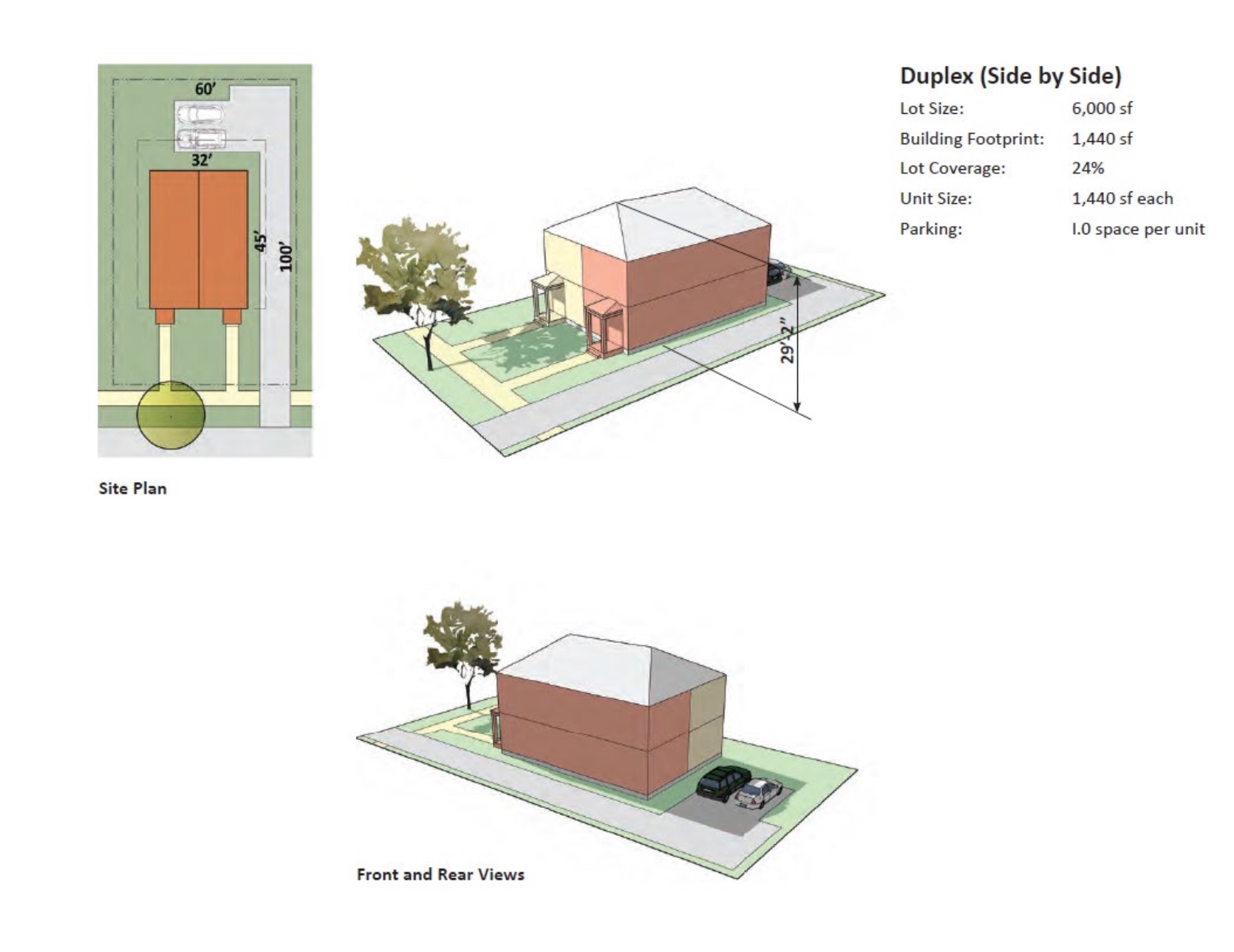
  • Small Scale attainable housing: duplexes, triplexes and quadplexes all could be approved for Parkwood, which is zoned R-60.
  • Priority Housing District: designation, which allows quadplexes to be built within a mile of MARC and metro stations, an area which includes some portions of Parkwood. Committee members asked for a better description of this designation than what is in the current report and want to discuss it again. (Ed. note.  Perhaps this designation is considered one that can be easily challenged by residents.)
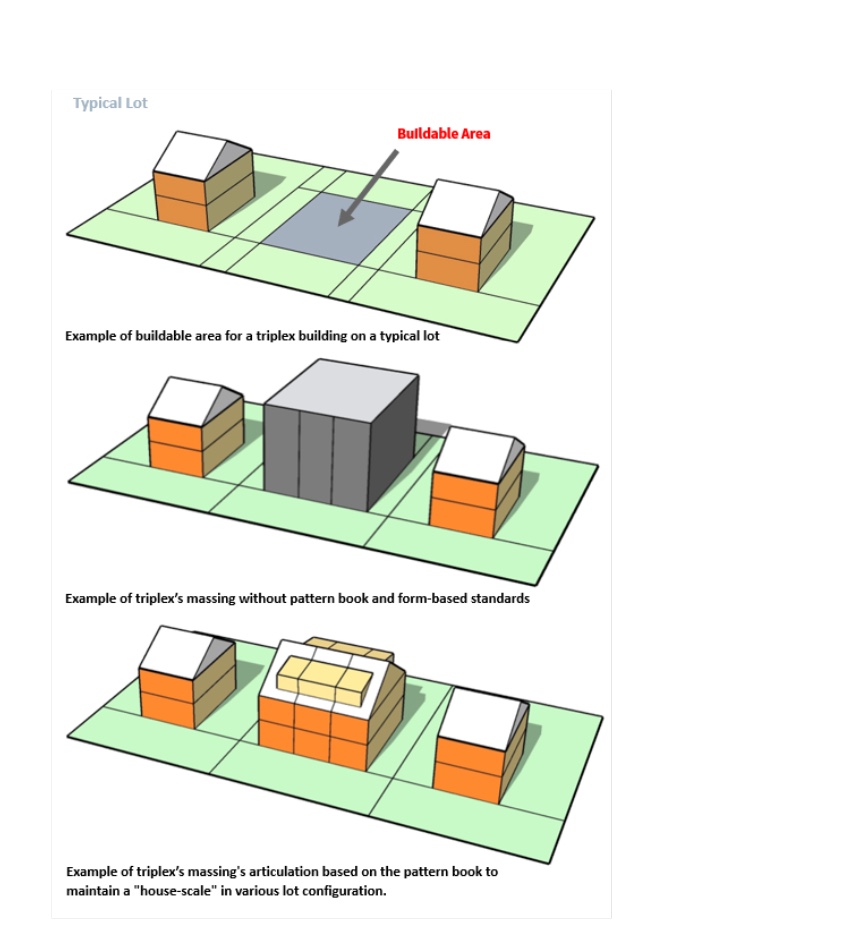
  • By Right” term was used often by staff as a means to allow a quicker approval process for AHS structures in areas currently zoned for single-family detached homes.  As I understand the term, it means that no special approval by the Planning Board or Planning Department would be required to build these structures in those areas. CM Friedson and other staff members emphasized that multiplexes would fit on current lot sizes, with the same set-back requirements for frontage and borders. Mr. Friedson said that multidwelling units will probably fit better on single family lots than some of the current “tear downs”.
  • Zoning Text Amendment (ZTA): As part of the ZTA process, Staff wants to change definitions of townhouses and apartment buildings to clarify their distinctions from multiplexes.
  • Additional Dwelling Units (ADUs): these were discussed in comparison with Attainable Housing multiplexes. One planning employee said he didn’t think ADUs would be needed after this new AHS is in place.
  • Medium Scale Atttainable Housing: This would be allowed in R-60 areas under certain circumstances, such as in growth corridors. The Attainable Housing Optional Method (AHOM) would allow townhouses and small apartment buildings to be constructed in R-60 zones

Pattern Book

The County Council hasn’t received a draft of a Pattern Book and wants one ASAP.  Planning Department  employees said producing a final PB might take a year.

Planning Department employees described it as “one stop guide”, and a “checklist” to having multiplexes approved by the County.  I think it’s primarily intended for developers as it will include detailed descriptions of structures, licensing and permit procedures. Planning Department staff said it could also be used by homeowners who want to convert their houses to multiplexes.

Pattern Books are being used in other jurisdictions, including DC; Santa Fe, NM; and New Orleans. (Obviously, these more urban jurisdictions have less in common with Montgomery County).

Council Members’ questions and concerns

  • CM Jawando reminded everyone that the current Attainable Housing Strategies Report proposes one way to make zoning changes, but there are other ways to accomplish that. (I’m not sure what he meant by that.)
  • CM Jawando asked about large investment development companies getting into Attainable Housing development in Montgomery County for profit and without regard for the current community. CM Friedson and Planning Department employees said they didn’t think there was any indication of this happening. One of the Planning staff members said that she had done a little research on developments in Arlington and hadn’t seen any indication of that type of investment. Planning staff and Mr. Friedson think that small, local builders will do the Attainable Housing development in the county, but it’s not clear how they know this since the proposed major changes in zoning have not gone into effect.  (Ed. note: It would be informative to see what has happened in similar communities that have made these kind of changes.  Also some local and regional developers could be considered “big investors”. If developers who care more about profits than the quality of living for residents are allowed to build and own rental properties in R-60 communities, this could have negative impacts on those communities.)  
  • CM Fani-Gonzalez said AHS is all about “opportunities for all people who want to live in Montgomery County”.
  • Council members asked about outreach to communities, because they’ve been hearing from residents and community groups. The Planning Department is keeping an unofficial record of stakeholders’ correspondence and answering enquiries. Jason Sartori, Director of the Planning Department, said his department will improve this process and keep the Committee in “the loop”.  The Committee Members are going to have public outreach sessions in the fall.  

Background:  In March 2021, the Council requested that the Planning Department undertake an effort to consider zoning reforms to allow opportunities for more diverse housing types in the county, to provide opportunities for public input, and to send recommended zoning modifications to the Council.

Subsequently, the Planning Department initiated the Attainable Housing Strategies initiative (AHS) to review, study, and identify various housing policy options. In 2021, a draft report was produced representing the findings of the early analyses and recommendations of the previous Planning Board. Since 2021, Planning staff has undertaken a thorough review of the prior analyses and recommendations with the current Planning Board. The Board sent a revised report containing updated analyses and recommendations to the Council on June 14, 2024. The recommendations contained in the study are intended as a guide for drafting future legislation. They represent a starting point for discussion with the PHP Committee.

AHS, Housing, PRA

Council Committee Work Session#1 on Attainable Housing Strategies

On June 24, 2024 the Montgomery County Council’s Planning, Housing, and Parks [PHP] Committee held its first Work Session on the Attainable Housing Strategies [AHS] report submitted to the Council by the Montgomery County Planning Board [PB].  These notes on the meeting were prepared by Clare Murphy, a member of the PRA AHS committee.

The session was directed by Committee Members (CM) Andrew Friedson, Committee Chair and Council President.  Other committee members attending included Will Jawando, At Large Council Member (attended session virtually); and Natali Fani-Gonźalez, who represents District 6. The PHP Committee has scheduled two more Work Sessions, one on July 8th and one on July 22nd, and expects to make final recommendations to the full Council in the fall.

The presentation was primarily a review of the Planning Department’s AHS Report to the Council (which was marked as final but referred to as “draft” in the session) but with discussion of a few other topics.  The Planning Board and Department had a large contingent of employees and officials participate in the presentation. The Planning Board Chair, Artie Harris, and the Director of the Planning Department, Jason Sartori, made brief introductions of the Report and AHS program. Both emphasized that people who want to live in Montgomery County should be able to afford to do that.

My major takeaways from the Work Session on the problems that need to be addressed are:

  • Missing Middle Housing– I was confused about what types of housing would be approved for areas designated for attainable housing development. Several Planning people and Council Members emphasized that AHS is not just focused on middle income housing but now includes housing for all income levels. However, one Planning Department presenter stressed that the to-be-built duplexes and triplexes in areas like Kensington would be “market priced”.
  • Storm Water Management (SWM) – As PRA President Kira Lueders has noted, the Planning Dept agreed that there are problems in targeted areas (such as Kensington) with the current SWM, and that those problems need to be resolved with different County agencies before allowing development projects to proceed.  
  • Effects on infrastructure – CM Fani-Gonźalez said infrastructure is a concern that she gets a lot of questions about. A presenter from Planning said that infrastructure would be addressed as it is with all development projects.
  • Role of Municipalities – CMs asked about allowing municipalities with some independent zoning authority to exclude themselves from AHS zoning changes. Planning Department presenters said that they were contacting State officials to try to get changes made to the legal status of municipalities in zoning matters.

Problems with Current Zoning in Growth Areas and Single-Family Communities:

  • Tear downs” don’t require any review or approval by the County.
  • Replacements of single-family homes are getting bigger.
  • Cash purchases are increasing, and less FHA type of loans are being used, indicating that there are increased house sales to developers who renovate and resell them.

Major Features of AHS:

  • The Planning Department emphasized the number of outreach programs that have taken place to inform communities and citizens about AHS, such as social media campaigns, meetings with community groups and work sessions conducted by the Planning Department.
  • A “Pattern Book” will be developed by Planning to define the new zoning regulations.
  • AHS is more than housing. It’s an important equity issue.

Montgomery County  will be “visionary” in fair housing.

PRA

Parkwood Spring Picnic

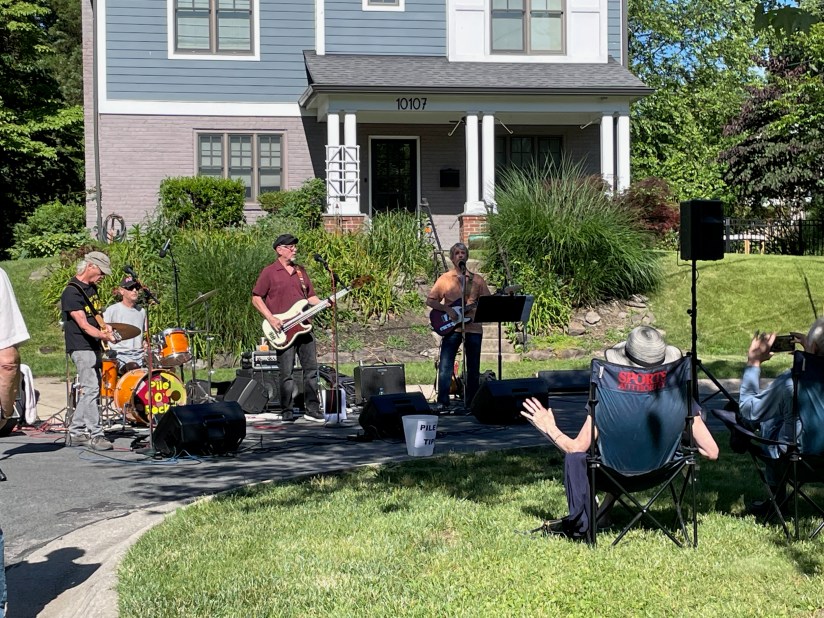
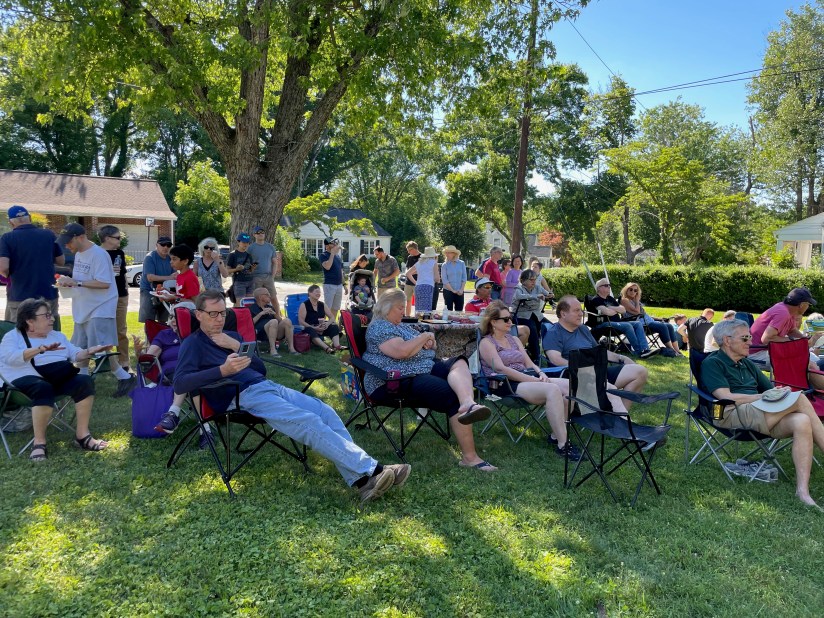
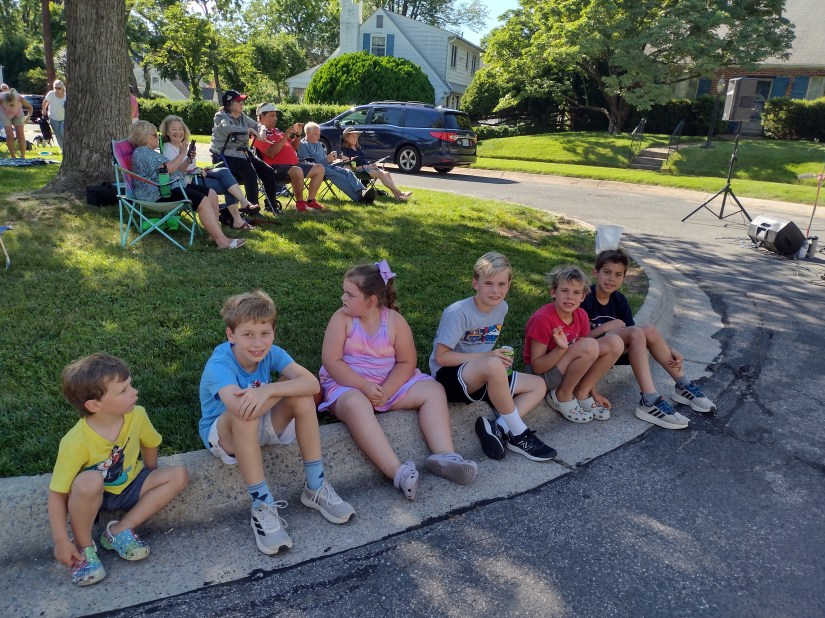
It was a lovely picnic.  The weather was fine, the location was perfect, people of all ages came, and the band played on.  Senator Jeff Waldstreicher joined us as we chatted, listened to the music, and enjoyed being together in person.  Organized by Kira Lueders, the [now] annual PRA spring picnic was a delight.  Come next year.  We are sure the weather will be perfect [again].

Community Notes, People

Parkwood second grader is state winner in Doodle for Google competition

As reported in MoCo360 and other local media, Sofia Ravilious, a second grader at Kensington Parkwood Elementary School, has been selected as the Maryland winner for the 16th annual Doodle for Google contest.

Sofia, 8, is now facing off with 55 other young artists from around the country to garner the most votes by the end of the day on June 4 to be the national winner and have her doodle featured on Google.com for 24 hours. You can vote for Sofia’s artwork at this link.

Her clay sculpture, titled “Nature will never end”, depicts a forest scene with trees, flowers, birds, insects, squirrels and rabbits crafted from colorful clay to spell out “Google.” The theme of the contest this year was for students to answer the prompt “My wish for the next 25 years …” through their art.

“I made a forest with animals and trees because my wish for the next 25 years is that there will be more nature for animals to survive in,” Sofia said in her art description.

Community Notes, People

Paul Snyder Honored at Memorial Day Concert

Parkwood Resident and centenarian Paul Snyder was among 17 World War II veterans honored at the 35th anniversary of the National Memorial Day Concert held on the West Lawn of the U.S. Capitol on Sunday.  These veterans were hailed as representatives of our country’s “greatest generation.”  The full concert can be viewed using this link.  Paul and the other honorees appear on the stage approximately 30 minutes into the program.

That’s our Paul on the right side of the bench, along with five of his fellow  veterans.

PRA

Warner Mansion Condos-Update

Washington Landmark Corporation, the developer of the Warner Mansion condominiums on the Warner Circle Park grounds, reported at a recent meeting of the Kensington Historical Society that work might begin soon, with some units available in 15 months. Because of its limited size, no MDPUs are included in the project. Non-binding reservations have been placed for several of the units. The park grounds will remain open to the public and some public events will be held in the mansion during the year.  See the video of the meeting here. Additional background is here.

Environment, Solar Energy

Going Green-Driving on Sunshine

(Editor’s note: A thoughtful, highly informative, and engaging article by Gerald Sharp about how he came to provide his house with electricity and power his car with solar energy.)

When I added a floor to my house on Edgefield Road about 10 years ago, I had the electrician run a tube from the attic to the electric panel in the basement, thinking that someday I’d want to put solar panels on the roof.  And I also had a door installed on the roof so I could get to it from the attic without using a long ladder.  I even took a night class at Montgomery College on photovoltaics where we were actually taught how to install the panels, but still I delayed having a system installed.  Last year I asked myself what was I waiting for?   Did I think we’d have better government subsidies to pay for solar panels?  Were prices of panels going to come down?  Was PEPCO going to be reducing what they charged for power?   With the answers to all these questions being “no”, I made the leap in 2023 to tapping the free electricity coming from the sun.  And then I also ended up buying an electric car that would be powered by sunshine.

The deciding factor for me was last August when I learned about the Washington Area Solar Switch program where they get bids from local solar panel companies and give home owners in Montgomery County (and DC and Northern VA) access to the lowest bidder. This seemed like such a smart idea, and it also took the decision of having to figure out which company to hire out of my hands.  I figured the program would pick a company not only with the best prices, but one that they had vetted that was likely to do a good job.  Last summer Lumina Solar in Baltimore was one of the contract companies, and, according to the Solar Switch website, about 2,000 houses in our three-jurisdiction area signed up for the program.  Lumina told me their price was a 20% discount from the usual cost plus there was a 30% federal tax credit and a $1000 state rebate from Maryland.   I paid the Solar Switch fee of $150 to find out how many panels could be installed on my house and what the system would cost.

Read the full article here.

PRA

Kensington Shoe Repair and Dry Cleaning

Mr. Seon Chun and Mrs. Young Chun, immigrants from South Korea, have owned and operated Kensington Shoe Repair & Dry Cleaning for approximately 20 years. Their shop is on Antique Row at 3772 Howard Avenue. In addition to shoe repair and dry cleaning, they provide laundry service and alterations at reasonable prices. Their services include cleaning unusual items, such as table cloths and winter jackets. The shop is open 6 days a week, Mon.-Sat., 9:30 am to 5:30 pm. During breaks in the workday, Mr. and Mrs. Chun can be seen walking throughout Old Town. They are the proud parents of two grown children. The couple enjoys chatting with their customers, who increasingly are returning to offices for work. This trend is, of course, good for the business!. Parkwoodians are always welcome.

Joe Harkins, Contributing author